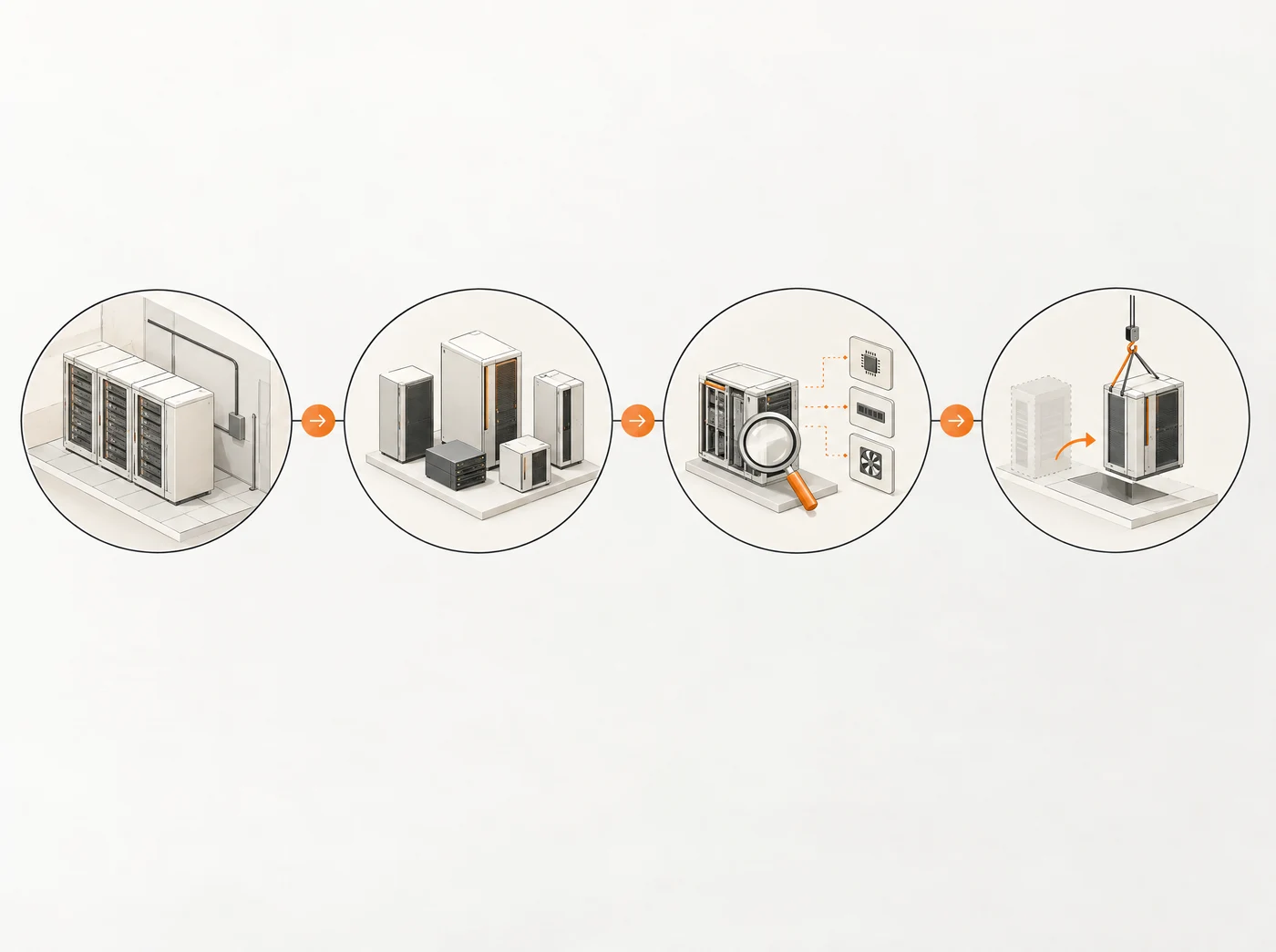
Your project, in focus.Explore the details
What we can help with.
- Start with the current equipment and why you want to change it.
- Renovations, different room use or recurring faults may call for a revised design.
Scope and site details
- A replacement quote should identify removal, refrigerant handling, new equipment and any retained infrastructure.
- Pipework, ducts, brackets and controls may need alteration.
- Include electrical changes and making good so the comparison reflects the complete job.
- If the old system was uncomfortable, record those issues before ordering a unit with similar advertised capacity.
What matters for your job.
- Reusing existing pipes, ducts, controls or electrical supplies is subject to compatibility and condition checks.
- A like-for-like capacity choice may be inappropriate if the old system never performed well.
Before we visit.
- Existing equipment models
- Reasons for replacement
- Rooms with poor performance
- Components proposed for reuse
More to consider
- Provide model details, past faults and the rooms that are hardest to condition.
- Ask the proposal to distinguish retained components, new components, removal and making good.
- Refrigerant recovery and disposal need an appropriate process.
A clear handover.
- Record what was replaced and what was retained, including pipes, ducts and controls.
- Check normal operation and review the new owner instructions.
- Confirm removal of the old equipment and identify any making good that belongs to another trade.
Can the old pipework always be reused?
- No.
- Suitability depends on the replacement system, pipe dimensions, condition and manufacturer requirements.
- Reuse should be confirmed rather than assumed in a preliminary quote.
Will a replacement use less electricity?
- Electricity use depends on equipment, installation, the building and your settings. Published ratings cannot predict a particular household bill.
- Assess airflow and control problems as part of the upgrade, alongside the new system’s ratings.